









A UK gambling tax rise proposed by the government has sparked warnings that higher taxes could cripple Britain’s high-street bookmakers. Industry leaders, including Betfred, have described the proposals as potentially “catastrophic,” claiming thousands of jobs could be lost if further cost pressures are introduced.
Industry alarmed over proposed UK gambling tax rise
Concerns were raised after research by EY-Parthenon commissioned by the Betting and Gaming Council (BGC) examined possible economic consequences of tax reform across the gambling industry.
The study examined the potential economic impact of tax reform across the gambling sector. It modelled several scenarios, including one where the government equalises duty rates across different gambling channels. Under that scenario, the General Betting Duty (currently 15%), Remote Gambling Duty (21%), and Machine Gaming Duty (20%) would all rise sharply – in some cases reaching 50%.
According to the report, the increases could result in the loss of up to 40,000 jobs and reduce the industry’s annual contribution to the UK economy by more than £ 3 billion. The BGC warned that such a move would damage the financial stability of high-street bookmakers, who are already facing rising energy costs, falling footfall, and the continued shift toward online betting.
Bookmakers warn of widespread closures
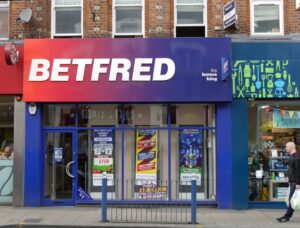
Retail operators have expressed growing concern. Betfred, which operates more than 1,200 betting shops in the UK, warned that a significant tax rise could lead to widespread closures and put 7,000 jobs at risk. Independent bookmakers share the same view, noting that many local shops would struggle to remain viable under higher tax rates and existing regulatory pressures.
Industry analysts note that remote gambling businesses are better positioned to absorb additional costs, while high-street bookmakers face tighter margins and higher fixed overheads. A sharp increase in taxation would accelerate the decline of the retail betting shop, a longstanding feature of British high streets for more than fifty years.
Political pressure and differing perspectives
Momentum for higher gambling taxes has increased in political circles. Within Parliament, several Labour MPs have called for increased taxation on online operators. Think-tanks, including the Institute for Public Policy Research (IPPR) and the Social Market Foundation (SMF), have echoed those calls, arguing that additional revenue should be directed toward public health programmes and consumer protection measures.
The Betting and Gaming Council (BGC) maintains that further tax hikes would have the opposite effect. It warns that higher taxes could drive customers to unlicensed offshore sites, reducing player safeguards and overall tax income. The Council continues to encourage the Treasury to adopt a balanced approach. The approach should protect jobs and maintain consistent contributions from the regulated sector.
Economic and social implications
Economists have warned that a contraction in the retail betting market would extend beyond bookmakers. High-street shops provide critical support to sectors such as horse racing and local hospitality through sponsorships and levy contributions. The closure of betting shops would have a direct impact on those industries.
Reduced gambling activity could lower tax receipts, undermining the government’s broader fiscal aims. Higher duties may generate short-term revenue increases. However, the long-term consequences, such as shop closures and consumer migration to the black market, could negate those benefits.
Uncertain path ahead
The government has not yet confirmed any changes to gambling taxation. However, discussions are reportedly in progress as part of the upcoming budget review. Industry representatives are hoping to be consulted before the new rates are finalised.
For now, the prospect of increased taxes has cast doubt over the future of UK betting shops. Once a fixture of local commerce, the retail bookmaker faces a convergence of rising costs, regulatory reform, and digital competition. The tax policy emerging will be the decisive factor in its survival.